May 2011 Trigger Talk article: Buying Your First Gun

Trigger Talk …..Buying your first gun

Wow, the sales flyers in the Sunday paper have great prices; I’m going to buy my first gun!!!

Slow down a little bit, first you’ll need to know what you’re looking for. Buying a gun is more than looking in a glass case at the gun counter for the one that looks coolest. Let’s figure out what

you are planning to do with it. Basically there are three types of guns: Handguns, Rifles, and Shotguns, each with its own purpose. The one you choose will depend on how you want to get started in shooting.

For today let’s talk about handguns, and because we are starting with the basics we’ll assume you are a beginner and plan to use the firearm to learn about shooting fundamentals.

Safety, marksmanship, technique and maintenance are the same whether you are shooting a basic .22 or a fancy .45.  Maybe your intent was ultimately to use the handgun for self or home defense and you were thinking of buying a large caliber high capacity gun like law enforcement uses.  I would suggest you take a different approach, when you were learning to drive a car you didn’t run out and buy a Ferrari and if you recall, I’ll bet your first two-wheeler had training wheels on it. You would be well served to take a similar approach in your first handgun.

A good .22 caliber pistol is a great training gun for practicing proper grip, stance, breathing, trigger control, and sight picture.  Best of all, you can shoot a .22 all day for less than $20.  Good quality bulk packs (525-550 rounds) of .22 ammunition can be purchased at most of the big box stores for $17-$20.

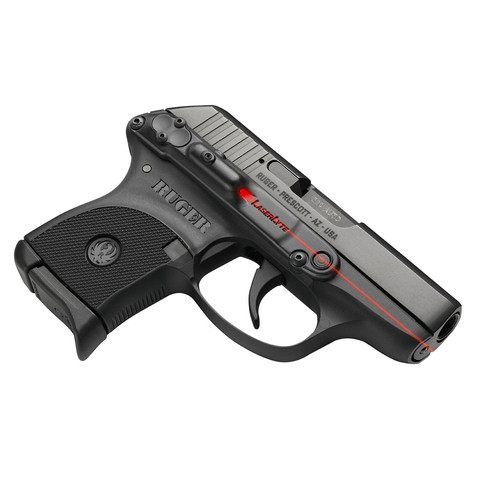
.22 cal. handguns are manufactured in both revolvers and semi-automatic pistols. I enjoy using both, but for teaching a beginner I prefer the semi-auto.  Several manufactures produce models specifically for training, these guns will typically have mid length barrels 4-6 inches long, adjustable sights, and a smooth consistent trigger.  My favorite, and the one we use at our club for training is the Ruger Mark II or III, but there are others. Smith and Wesson produces the model 22A and 41, Browning makes the Buckmark, and the Beretta U22 Neos.  Some manufactures make models such as the Walther P22 which is designed to match the controls and feel of their larger caliber guns, making the transition to a larger caliber gun easier.

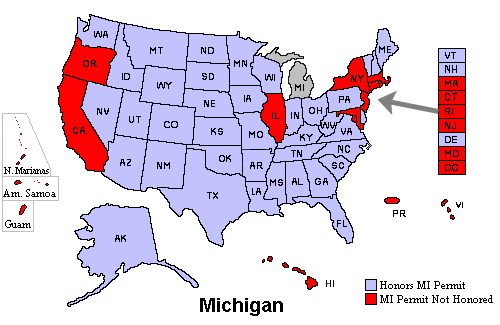
To purchase a handgun inMichigan unless you hold a valid Concealed Pistol license you must first get a “Permit to Purchase”. This is one of the steps the State goes through to ensure a person buying a handgun has at least a basic knowledge of handgun law. It additionally is used as a method of recording handgun ownership for the state law enforcement agencies. The permit is only valid for a period of ten days, so it is best to do your research on which type and model you plan to purchase before obtaining the permit.  You obtain the permit at your local Law Enforcement agency such as the City or Township Police, or County Sheriff’s office.  Additionally, when purchasing any firearm from a licensed dealer you will be required to fill out a form and undergo an FBI instant background check during the purchase process.  You can debate whether you feel these steps are appropriate, but these are requirements under current law and must be followed.

Now let’s head to the store for some shopping. We know we want to get a gun that has a good reputation for quality at a fair price. But wait, how does it feel in your hand, is it too heavy, are the grips so thick you can’t reach the trigger, are the controls hard to operate? These questions are why you need to go to a store and actually handle the guns you are interested in. This also is why you don’t want to purchase a gun for someone else. A gun can be a great gift, but make an outing of it so the shooter can hold and “feel” the gun themselves.

Another consideration is whether to purchase new or used. Many gun retailers have a used gun counter, or maybe a friend has offered their used gun to you because they have moved on to something new.  Real bargains can be had, but just like used cars you need to know what you are getting.  A good quality used gun can provide all the safety, functionality and enjoyment of a new one if has been properly used and maintained.  I still shoot the first handgun I ever used; it was purchased by my Grandfather in 1968 and reminds me of him every time I shoot it. My oldest handgun was made by Colt in 1922 and is as accurate and fun to shoot as the day it was made.  My point here is that when you are purchasing a gun you are making a purchase that can last a lifetime. Take your time, choose quality and if used, verify condition. Saving a few dollars on the initial purchase for a lesser quality or poor condition gun will seem small versus the loss of reliability and function over the lifetime of that firearm.

Next month we’ll talk about selecting a basic rifle. Future topics will include personal defense training, Shotgun selection, “Concealed Carry” handgun and ammunition selection, gun cleaning, storage and more!  Until then …….Safe Shooting

Trigger Talk Courant May 2011

TriggerTalk Articles

April 2011 Trigger Talk article: Getting Started in Shooting

Trigger Talk …..Getting started in Shooting

Okay, so you’ve wanted to learn to shoot for a long time.  There are many reasons you have come to this conclusion.  Perhaps you are concerned about crime in your area and want a gun for home defense, or your friends at work are hunters and you’d like to join them.  Or maybe you are concerned about your 2nd Amendment Rights and want to purchase a firearm before an anti-gun administration tries to take away your rights.  Whatever the reason, how do you get started?

Here in the Midwest, the changing landscape has also changed the way many of us get started in shooting. Over the last 50-60 years the shift from a rural farming population to urban and suburban living has reduced both the available space and opportunities to begin a lifetime in the shooting sports.  Getting that first BB gun followed by shooting tin cans off a fence post with a .22 after dinner with a parent or grandparent is not an option for many people.

Many people think they know how to handle a gun, after all they played “Cops and Robbers” as a kid and certainly all those hours playing video game war simulations must have taught  them something… right?  The truth is: Proper training in the use of firearms is essential; the first thing you will need to understand is safe gun handling.

A good way to get started is to attend a “First Shots” or “First Steps” class designed for people with absolutely no firearms experience. At one of these introductory sessions you will typically receive:

  • An introduction to the safe handling and use of firearms
  • A basic introduction to different types of firearms and ammunition
  • Classroom and firing range instruction.
  • An understanding of the local requirements for purchasing and owning a firearm

There are many places you can go to seek out this type of training.  A good place to start is your local gun store.  These may range from a small individually owned gun store to one of the large chains such as Cabela’s, Gander Mountain or Bass Pro Shops.  Some of the individual gun stores such as the “Firing Line” in Westland also have on-site gun ranges, with instructors and gun rental available.  Another source is a local Gun or Sportsmen’s Club which can add the benefit of a social club environment to the learning and enjoyment of the shooting sports. Most counties including Washtenaw and Livingston have several to choose from.  A quick internet search for “Firearms Instruction” or “Places to Shoot” in South East Michigan revealed dozens of locations from which to choose. Each of these options will have a list of places and instructors to get you started on your journey to responsible gun ownership.

A popular introduction for women is the NRA’s “Women on Target” events held exclusively for female shooters. Women of all ages are introduced to Pistol, Rifle and Shotgun shooting including  “Trap” or clay pigeon shooting. Both the “First Shots” and “Women on Target” are typically offered in conjunction with local ranges and clubs.

Next month we’ll talk about the types of guns best suited for your initial training and skill development. Future topics will include personal defense training, Concealed Carry handgun and ammunition selection, gun cleaning, storage and more!

Until then …….Safe Shooting

Trigger Talk April 2011

TriggerTalk Articles