Show files are up on the Podcast Page!
Don’t forget to sign up for Women on Target on Saturday April 1st
On Friday I will post a link to the Registration Form for you to download and send in!!!

Show files are up on the Podcast Page!
Don’t forget to sign up for Women on Target on Saturday April 1st
On Friday I will post a link to the Registration Form for you to download and send in!!!
Show Files are up on the Podcast Page!
We had a fun show today with Al Herman from the NRA in studio with me all hour.
We discussed the Friends of NRA and the benefits that the state receives from the dinners and donations.
There are links farther down on the page to download the PDF files of the Michigan Tri-Fold and 2017 Prize Brochures
You can Download the Brochure here:
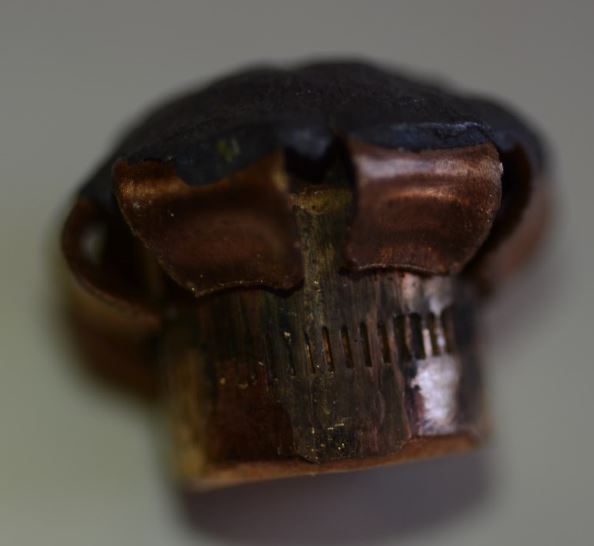
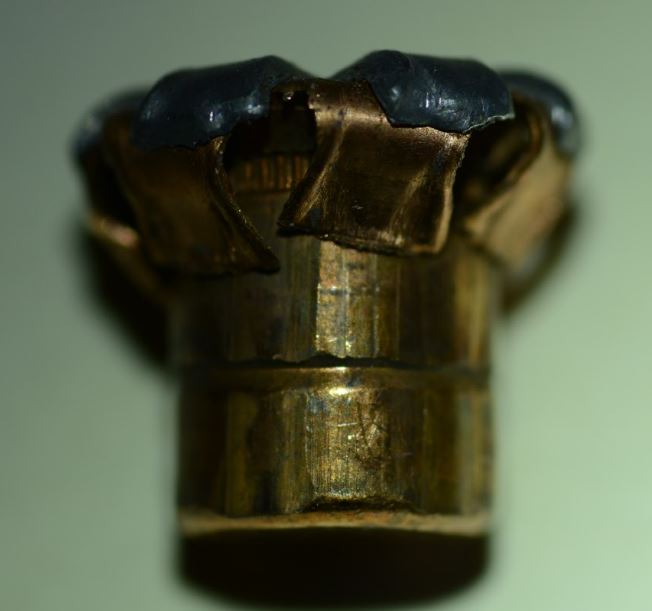
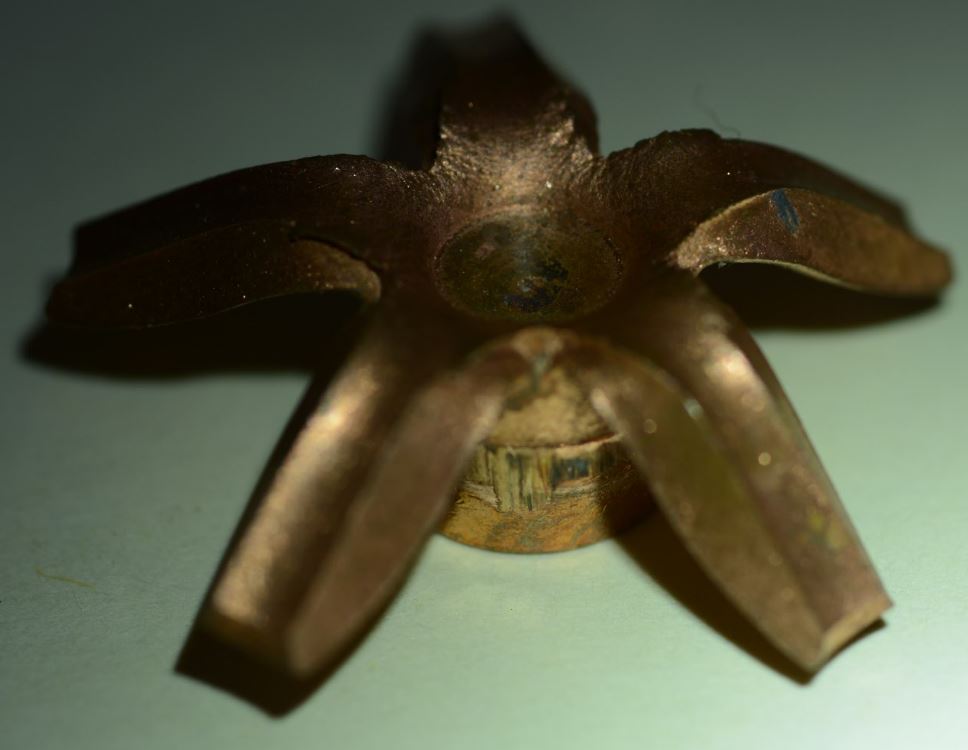
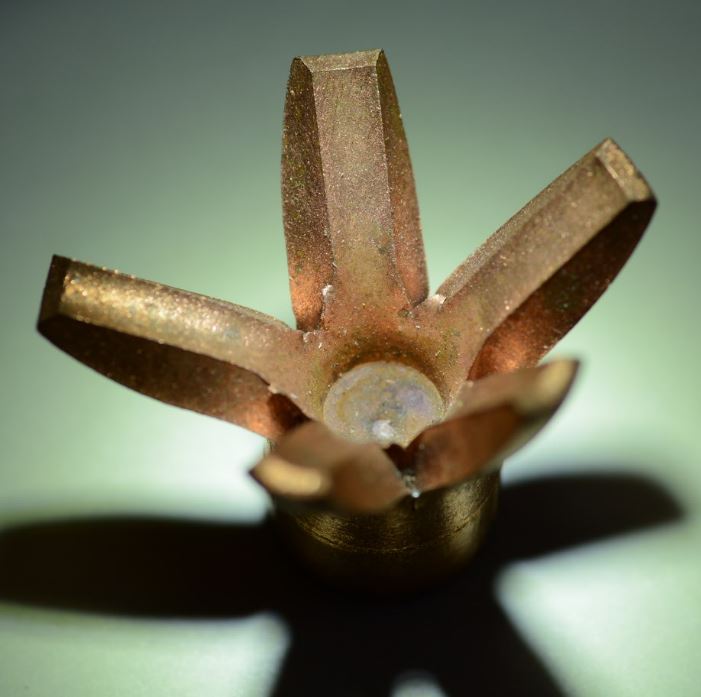
The items to bid on are amazing, These are just a few:
You Can download the entire Prize Brochure here
Show Files are up on the Podcast Page:
Fun and informative show today, I’ll put more content up on Monday evening
Dick
Show files are up on the Podcast Page!
Hi Guys, We did a live remote from the Outdoorama Show this week and our connection was terrible. I am putting up the show but the first segment is really hard to hear and we had to reboot the connection a few times, Sorry!
Show File are up on the Podcast Page!
Hi Guys! I am back with Full Strength Industrial TriggerTalk Radio!
Thank You for the patience last week, my recovery is going well although I look little like a prize fighter that lost a few rounds.
We had a fun show on Saturday and lots to talk about in the headlines and a lot of legislative work taking place behind the scenes to assist protecting our Second Amendment rights.
Mike from Macomb County called with a recommendation for a new gun oil. It has some great qualities: not only is it a good lubricant, and is named “Liberal Tears” but the oil is scented to smell like BACON! He used it on one of his guns and went to the range this week, he also put a few pumps into his suppressor (Suppressors often work better wet). With a few mags down range the oil heated up and everyone wanted to know what smelled so good?
You have to love the gun industry, we do have a sense of humor.
Before I put the files up on Sunday (today) I went to range and had a great time. As I have said in the past, gun people are the best and friendliest people. I met two other club member there and as always we all took turns shooting each others guns.
I had brought a new Kimber Ultra carry 45 to break in for Pastor Rick, one of the other radio hosts at WAAM. He had just purchased it and wanted some assistance in getting some rounds down the barrel. I took it apart and cleaned it and lubed it before I went. Just as I suspected it was virtually dry, remember it is always a good idea to lube a new gun purchase before you shoot it.
I put about 250 rounds through it and for the first five mags it had a failure to load a round on the second to last round. By the time I was through all the rounds it was running perfect. That is the reason you always want to break in a gun before you carry it. I also ran 15 rounds of Federal HST carry ammo through it to ensure it would like a good defensive round.
I brought along my new Ruger LCP II and put almost 300 round of practice ammo through and then a box of Cor-Bon DPX which is my favorite carry round for .380. All functioned perfect, these new Rugers are sweet.
Then off to a couple hundred rounds through my Springfield XDs 45, always want to make sure you maintain proficiency with your primary carry gun.
Now on to the fun! A father and Son were there shooting two of their new purchases and offered me a chance to shoot a Beautiful new Colt Competition 1911 in 9mm. So many people have been raving about the 1911 platform in 9mm and I now understand what they are talking about. Smooth and accurate, I loved the experience.
I also got to try the son’s New Ruger GP100 in 22lr.! I continue to marvel at all the product that Ruger has introduced in the past few years. This was a very nice 22.revolver that is built like a tank. 10 rounds in the cylinder is a lot of capacity, it was great on the Range and would be great in the field too.
All in all this was a great day and you certainly can’t complain about a 60+ degree weekend in the middle of February in Michigan.
See you next week!
Dick
Hi Guys,
Sorry that there was no new show for February 11th, and i had to play a repeat.
I had some unexpected but urgent surgery on Thursday, got out of the hospital on Friday afternoon and was not able to do the show on Saturday morning.
I will be LIVE on the 18th, See you then!
Show Files are up on the Podcast Page!
Home work Assignments from last week:
Paul from Highland was looking for Double Stack .380’s
1. Beretta – 84 Cheetah
2. CZ 83
3. Bursa Thunder (Combat) Plus
Rich From Fowlerville
was looking for another Springfield model 120:
From what I can find, the Springfield 15 (120) was made from ’37 to ’48 when the Springfield brand was dropped.
After that it was produced as a Stevens from ’48 to ’65.
Over that span of time, they were produced in Utica, NY untill the move to Chicopee Falls, MA in ’46 or ’47, then at Westfield, MA after ’60.
I don’t know the difference between the 120 & 120″A”, could be a design change. Maybe someone more knowledgeable will chime in.
We talked about: Hexmags for Glock
Show files are up on the Podcast Page!
Fun show today with lots of calls!
We Talked about how to make Combustible Cartridges for percussion cap revolvers which turned it a discussion about Hair Curling Papers.
Who new that the two overlapped!!!
http://www.guns.com/2017/01/26/how-to-make-combustible-paper-cartridges/
Black powder revolvers are fun to shoot, but loading them isn’t always the case. It is definitely easy to note that you will spend more time loading these guns than actually firing them. Measuring out each charge of loose powder and fiddling with a box of balls and a tin of caps isn’t for everybody. Loading these old style fighting guns in this manner is a learning experience and you get to tailor your loads to your needs, but it isn’t necessarily convenient and it does give something of a false impression of history.
In the 19th century, the percussion revolver was usually loaded with paper cartridges and that is especially true on the military side of things. The combustible cartridges, at the time constructed of nitrated paper, was and still is the most convenient way to load these guns in a hurry. Though quite a bit of experimentation, I came up with a way to make combustible paper cartridges on the cheap–no fancy chemical treatments and no special equipment.
Two projectiles used for this experiment. (Photo: Terril James Herbert)
The first step of making paper cartridges is having the necessary load data pertinent to your particular revolver. If you have shot your handgun recreationally, it is important to know the proper powder charge and bullet diameter for adequate power and to guard against chain-firing of all the chambers at once. Here is some general data that may be used as a stepping stone:
Small, pocket revolvers like the 1849 Colt and the Colt Baby Dragoon are .31 caliber and therefore have very small chambers allowing for no more than 15 grains of powder with enough room to seat a ball. I have had good luck with .319-inch balls in Remington Pocket Models and .323 inch in the Colts. .330 inch buckshot is a cheap and effective way to get a tight fit and the most accuracy out of these little guns.
The .36 caliber pistols are far more common and popular than the 31 and generally utilize a .375-.380-inch diameter bullet. The chambers will generally allow up to 25 grains of black powder, though 20 is more typical and a load I like to use.
The most popular percussion revolvers today are the .44s, which actually are .45 caliber. A .457-inch diameter bullet or ball will cover most of your bases whether you are running a Colt, Remington, Starr or other Army caliber revolver. I have had great luck with .451- and .454-inch bullets as well. 30 grains of black powder is a good starting point and is typical for firearms like the Colt 1860 and the Remington New Model Army pistol.
Now that you have your load, its time to assemble the supplies to put it in paper, literally. You will need:
Schematics and materials for the job. (Photo: Terril James Herbert)
The heart of making a paper cartridge is having a mandrel to form the cartridge skins. I took a 7/16 inch diameter soft wooden dowel and marked it off at 1.5 inches. From that point, I carved it down to a taper. I quickly learned that the dowel was too small to begin with, with a .440-inch diameter. A 1/2-inch dowel would be more sufficient. This makes the 7/16-inch dowel a good choice from 36 on down. I got around this by wrapping one layer of athletic tape around the mouth of the mandrel where it starts to taper. This allows for a .46-caliber bullet with ease. The thin end of the taper came out to .90 inches.
With the mandrel ready, it was time to make a template for the cartridge skins. I wrapped a piece of hard paper, like office paper, around the mandrel tightly and let it overlap by about 1/8 of an inch or so for gluing. The exact amount of excess you allow isn’t so important as to have excess material so that the cartridge skins have enough room for glue. You can reduce your template’s length to 1.3 inches if you want to make cartridges for your .36 caliber revolver.
Using the template, I produce the hair curling paper by the stack and cut it to shape, using the template as a guide. I use hair curling paper because nitrated paper is expensive to make and cigarette paper leaves too much residue and unburned paper in the chambers. Curling hair paper is easy to come by at any beauty shop and burns completely in the chambers.
But what about that toilet paper? I use an approximately 1/2 inch x 1/2 foot amount of toilet paper, either one or two ply, to serve as the back-end of the cartridge. It needs to be thin so the flash of the exploding cap will penetrate it and set off the powder.
Take the piece of toilet paper and put it flat on the mandrel’s small end and wrap it over, running it tightly with the fingers until it forms a cap over the mandrel.
Setting that aside, take a pre-cut piece of tissue paper and glue the shortest end as well as the angled section. Wrap the short end around the base of the toilet paper and pull the long end across the mandrel until it wraps around the thick section of the mandrel.
Pull the new cartridge skin off the mandrel carefully and set it aside for loading.
Take your bullet or ball of choice and grease it with your glue stick.
Add powder to the skin and drop the bullet on top, rolling the loose paper over the bullet with your fingers tightly.
Move onto the next readied cartridge skin and repeat.
An off hand 12 shot cluster at 7 yards using a .454″ ball over 30 grains of powder utilized in paper cartridges. Ignition was 100 percent! (Photo: Terril James Herbert)
If these little cigarettes of death have any disadvantages, it would be durability. They will survive an impact with the ground, but they should be packed tightly when transporting. In the American Civil War, the containers consisted of a plank of wood with holed drilled in it for each cartridge. I pack the cartridges with extra padding, i.e. a crumpled paper towel, to get them from point A to point B. A good leather belt pouch will suffice for carrying the cartridges out in the field if need be.
Fragility aside, I think I will stick to these paper cartridges. They represent a fast, yet period correct way of loading these smoke wagons and are quite accurate. They also have the side benefit of making you look that much cooler with your black powder revolver on the range or in the field.